
About Stephon / ← 01 · Foundation / 02 · Home, Manhood & Inheritance / 03 · New York →
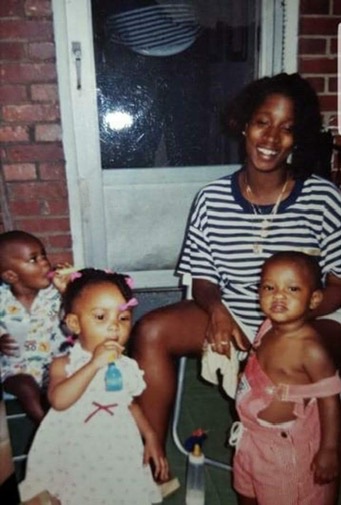
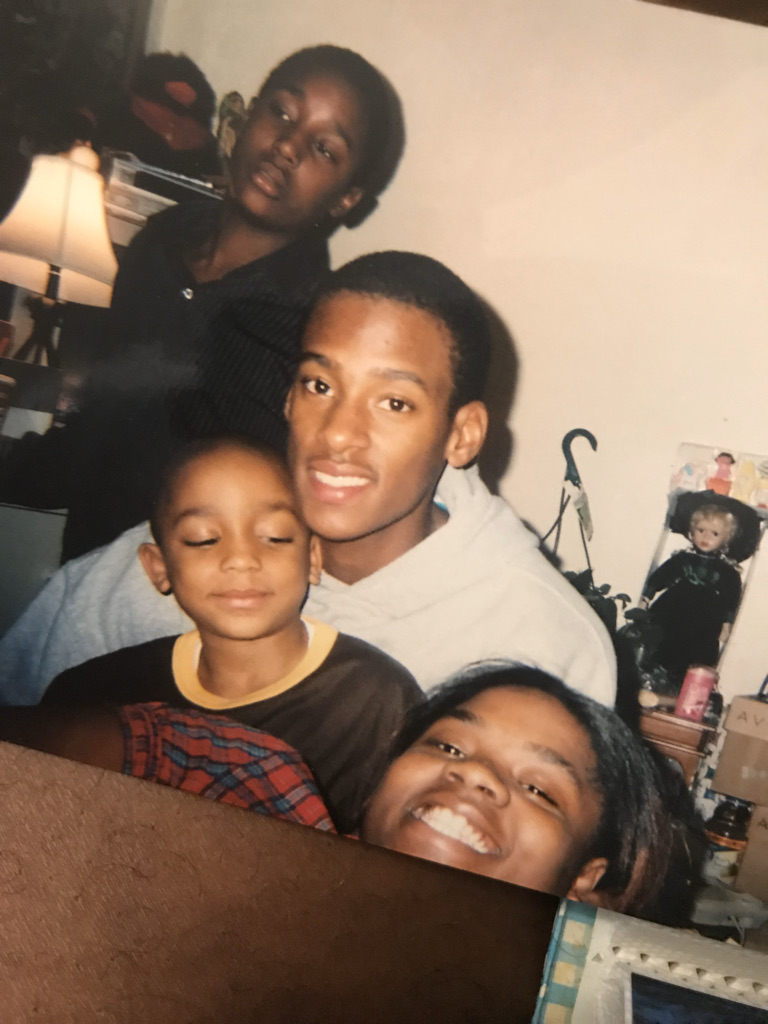
Dingle Family Archive · 1991
Before I knew the story, I was already inside it.
My mother was still young. I was about one, nearing two. I do not know every person in the frame or remember the birthday party itself, but the photograph holds what memory cannot: a young family already carrying histories, responsibilities and possibilities larger than any one moment could explain.
A photograph does not tell the whole story. It proves that the story was already in motion.

Home · Manhood · Inheritance
Home taught me what love looks like in practice.
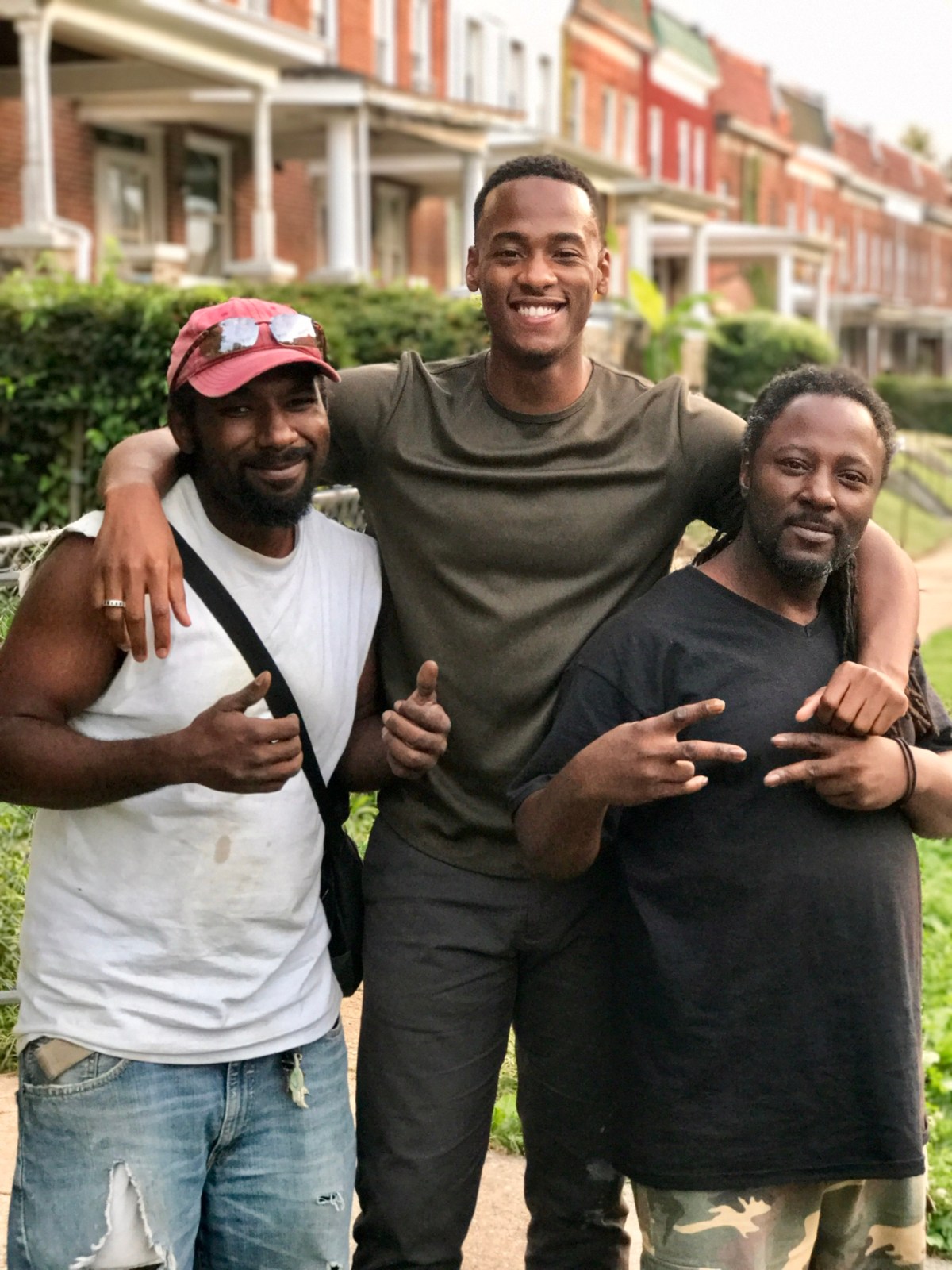
Growing up in Baltimore, I learned early that childhood did not always get to move at a child’s pace. I grew up without a present father, but I did not grow up without men who loved me. Etienne and Gregory helped fill that space—not as perfect men, but as present ones—and they still anchor so much of what manhood means to me.
Uncle Etienne—the eldest—is a man’s man with a leader’s presence: a hustler, grinder and fixer who keeps bringing joy despite the grief and limited schooling he has carried. Gregory—the youngest—is smart as a whip and an old soul. Growing up, I watched him breeze through Jeopardy! and any trivia show built on facts or history, answering so much correctly that I was equal parts amazed and jealous.
From Gregory, I learned—and still learn—to love facts, history and the pleasure of knowing how the world fits together. From Uncle Etienne, I learned to improvise, solve the problem in front of me and keep people laughing while doing it. Both know how to stretch an ordinary moment into a story funny enough to take over the room. Their humor carries truth, makes pain easier to hold and turns life into a story worth retelling. They have carried grief, consequence and the particular weight of being Black men from Baltimore—Park Heights men and, more importantly, Sheila’s sons. Their love is imperfect, but it is real. I recognize the best of both of them in me.
The Dingle Family Archive · Grandmother’s House
Before inheritance became a word, it was already a room full of people.
Grandmother’s House began each morning with WJZ Eyewitness News while Ms. Sheila dressed for work with the City of Baltimore, where she devoted her career to Public Works and eventually helped lead a crew—a tradition of city service that generations of my family still carry today. I helped her get ready. Her coworkers stopped by so often that many became family; the latest bootleg movie and a room full of stories and laughs usually followed.
Fridays were my favorite. Payday meant hood Chinese food—usually shrimp fried rice with gravy, or my grandmother’s favorite, egg foo young. I usually fell asleep waiting for it to arrive. Whatever the week had taken from us, Grandmother could still turn a little into enough: enough food, enough laughter, enough joy to fill the house.
It was a blue-collar home, never short of tears. Grandmother cried over everything—good tears, happy tears, sad tears. It annoyed me then, but now I understand: she knew how to feel things all the way. She taught me how to make something out of nothing—how to fill a house with people, love, laughter and joy.
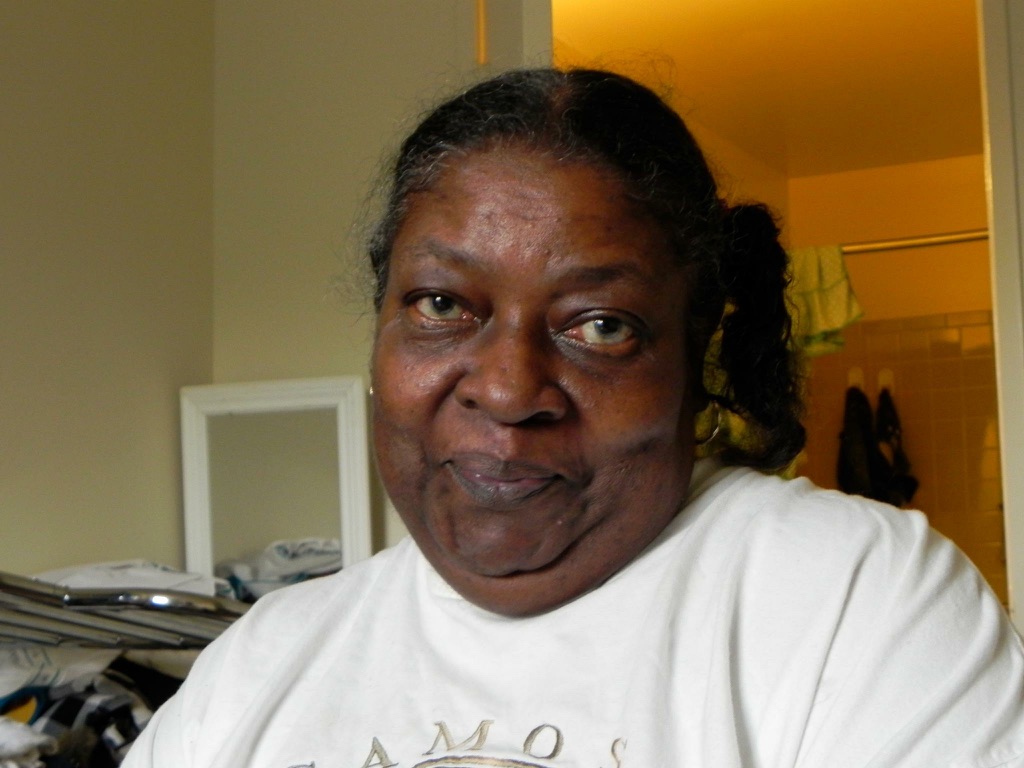
“Everybody came to Ms. Sheila’s house.”
To me, it was Grandmother’s House—a place where she saw the best in people, and where family by blood and family made through love kept finding room.
She called me her favorite grandson—her words, though everyone knew it was true. Buying a home of my own, in my own Baltimore neighborhood, carries that inheritance forward: not perfection, but a place where people can breathe, gather and become family.
Who came before
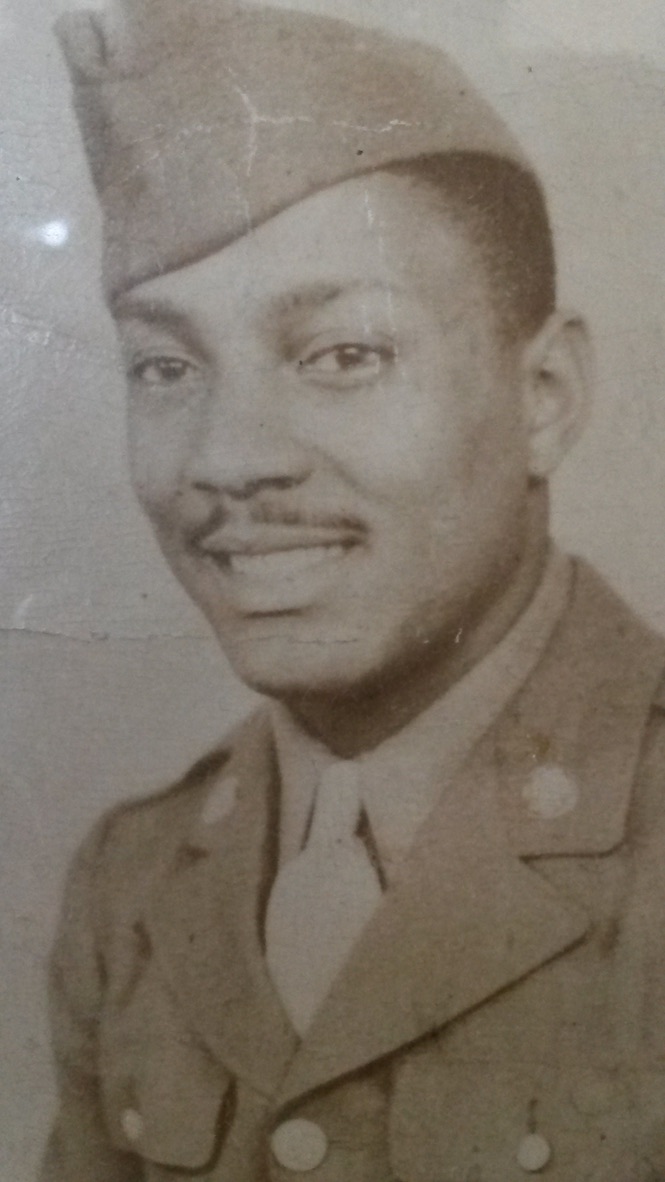
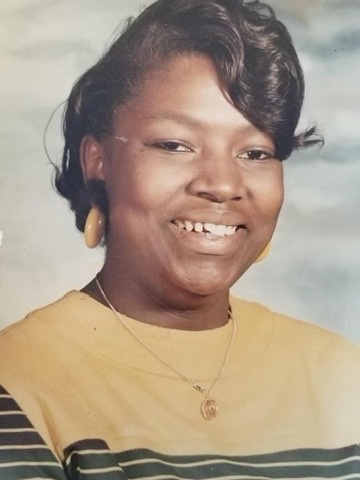
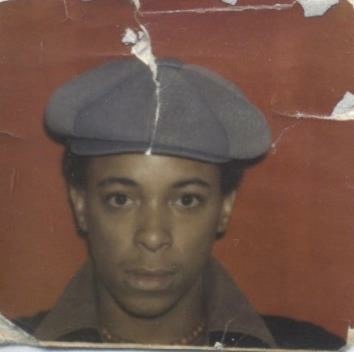
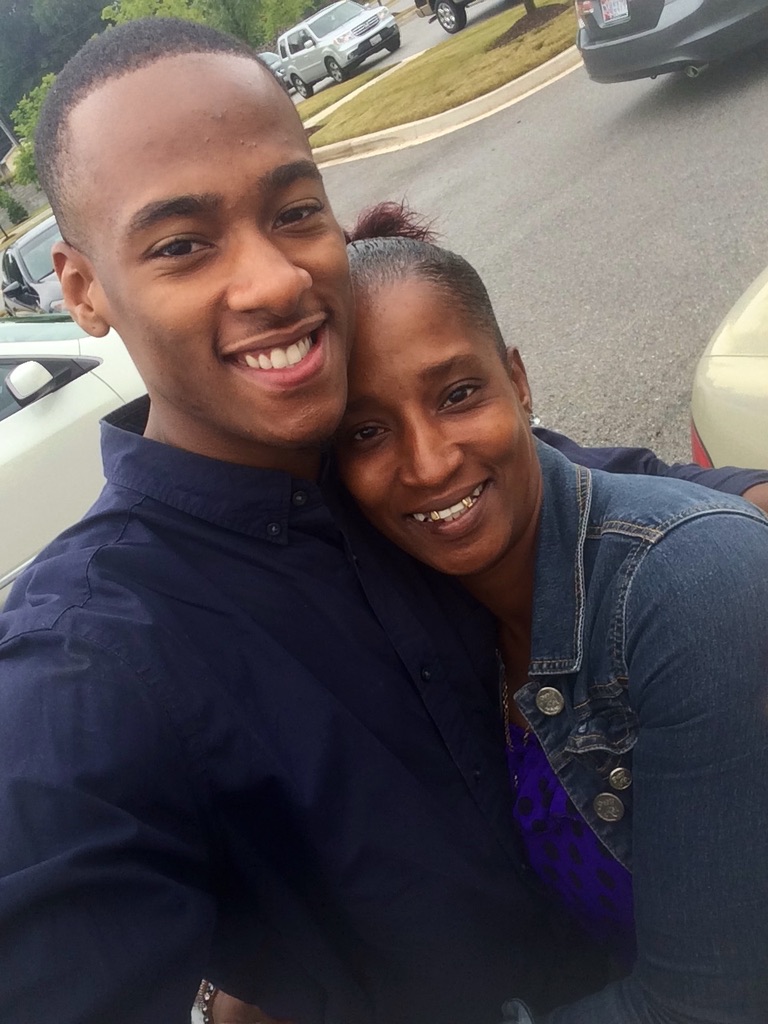
The house kept making room
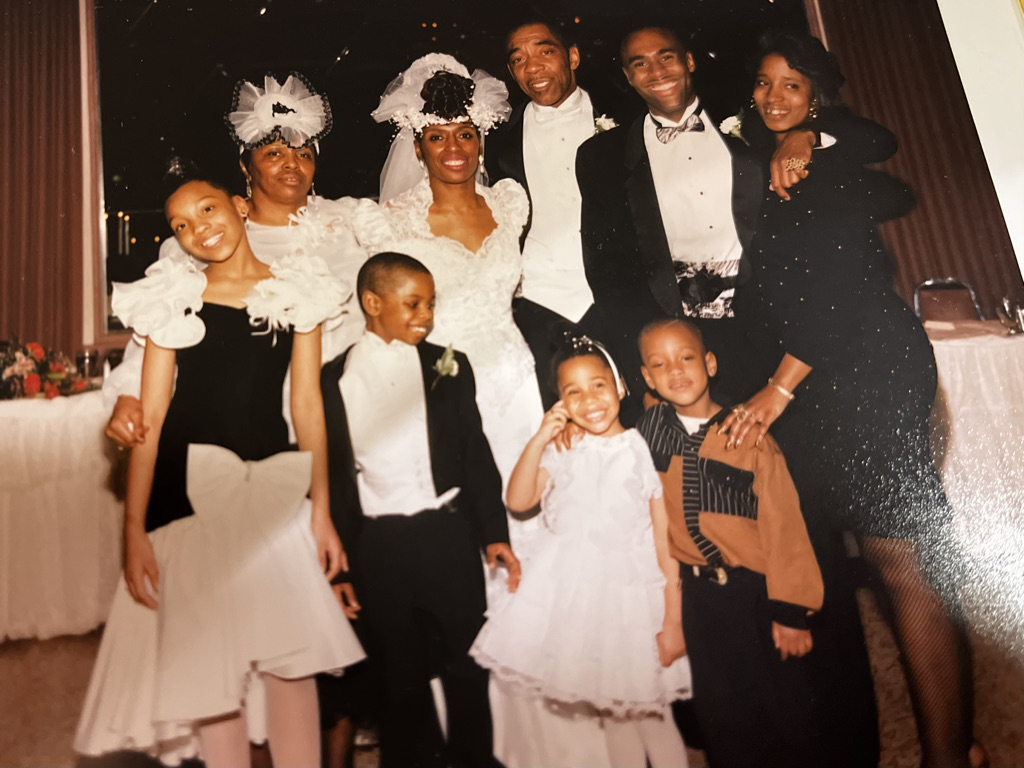

An archive in motion
Not the whole archive—just a doorway into a life still unfolding.
A Note on Becoming
Black manhood, as I have lived it, is inheritance and improvisation—strength made more honest by tenderness, humor, healing and the freedom to become whole.
Continue through the archive

